Meike – Decentraal afvalwater systeem
From Land to Reef: Caring for Bonaire’s Water
For Meike Breedveld, caring for Bonaire starts with water. She grew up surrounded by it. As a child in the Netherlands, water was where she played, explored, and felt at ease. Later, she also learned how fragile it can be. Stories of acid rain and lifeless lakes made one thing clear to her early on. Nature can be damaged by people. But it can also be protected by them. That belief shaped her path into water and environmental work.
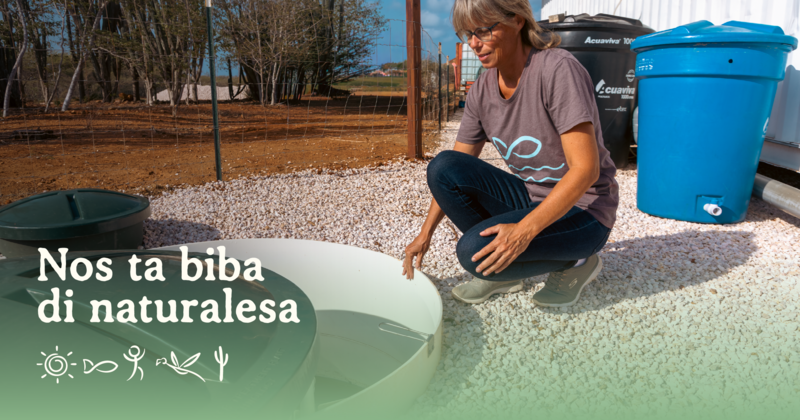
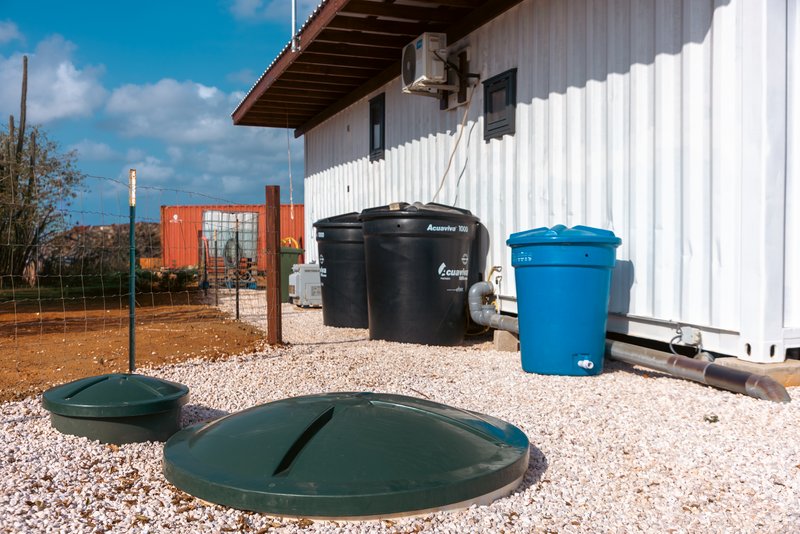
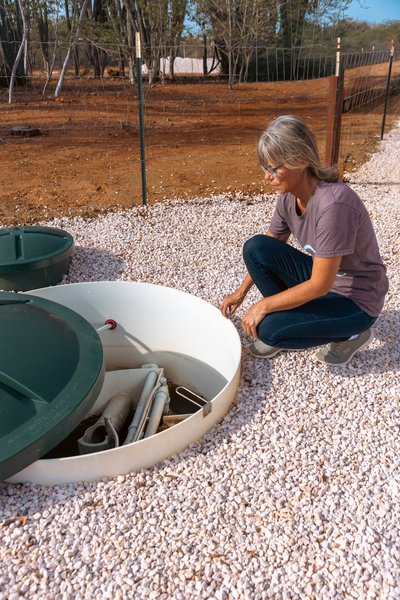
Bonaire matters to Meike because it is both beautiful and vulnerable. The island is small, low-lying, and has limited freshwater. Climate change brings longer dry periods, higher temperatures, and rising seas. What happens on land does not stay on land. It moves. It flows. And eventually, it reaches the sea. Much of Meike’s work focuses on reducing pressure before it reaches the reef. Untreated wastewater can seep into the ground, carrying nutrients that stimulate algae growth. Algae thrive on this. Coral does not. Coral needs clean, nutrient-poor water to survive. By collecting and treating wastewater, that pressure can be reduced.
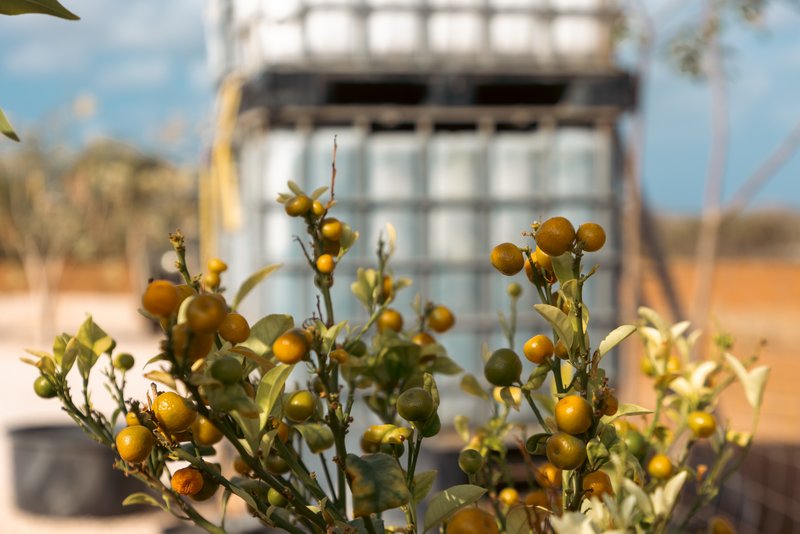
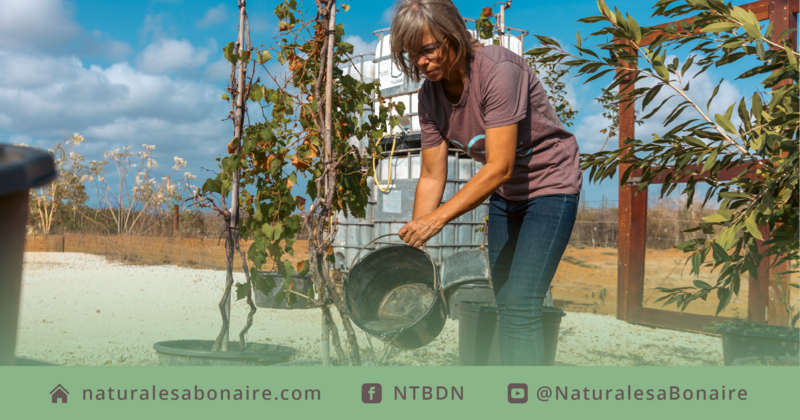
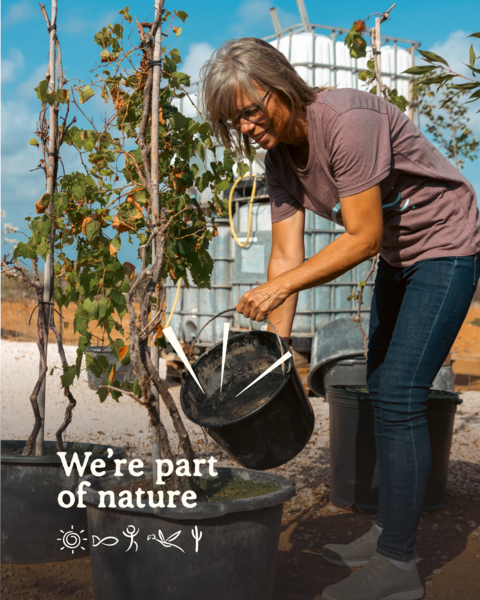
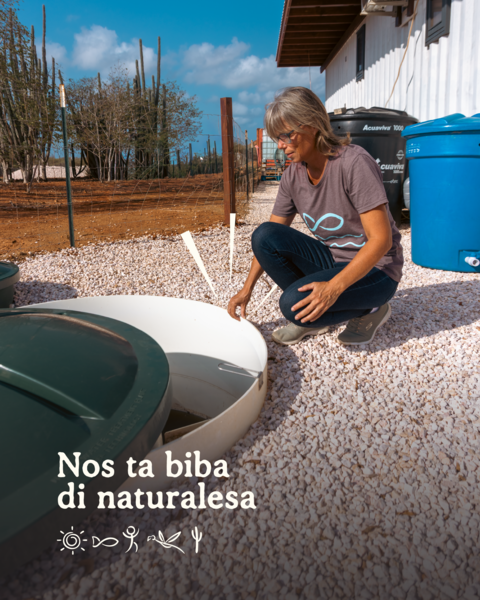
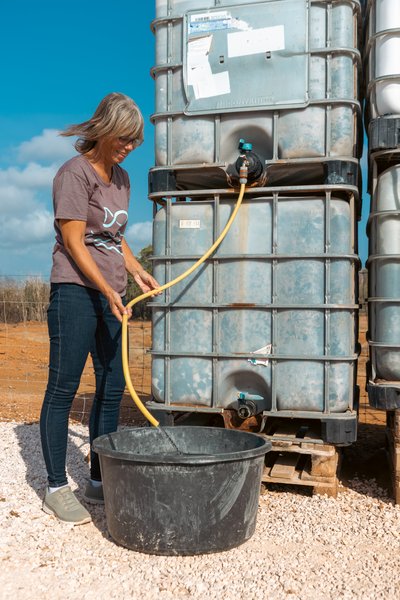
At home, Meike lives this principle every day. Treated wastewater is reused to irrigate fruit trees, saving precious drinking water. The same approach supports agriculture and green spaces across the island. More greenery helps retain water, cool the land, and strengthen Bonaire against a warmer, drier future.
For Meike, protecting Bonaire is not about one big solution. It is about many practical choices, made consistently. Choices that protect the reef, strengthen nature, and help keep the island livable. For today. And for the generations that come next. Nos ta biba di naturalesa
Caring for the reef starts on land
Meike shows that water does not stop where we use it. What happens on land can move through the soil, flow toward the sea, and affect the reef. Want to learn more about how Bonaire is working toward smarter water use and less pressure on the coral reef? Read more about Water Circles on this website.