Water Quality Monitoring
By tracking groundwater and seawater, Bonaire gains the knowledge needed to protect reefs, coastlines, and future generations.
Imagine a drop of rain falling on Bonaire. It sinks into the ground, moves through the island, and eventually finds its way to the sea. Along the journey, that water carries a story. A story about the health of the land, the coast, and the reefs that surround Bonaire.
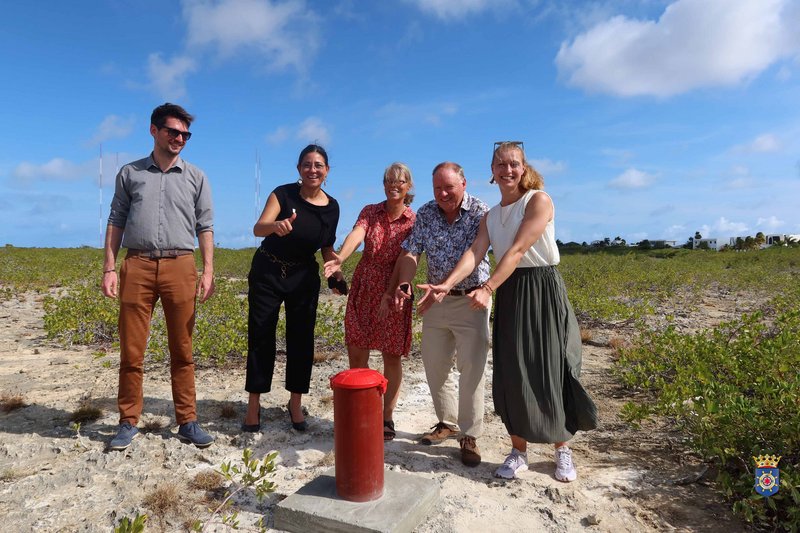
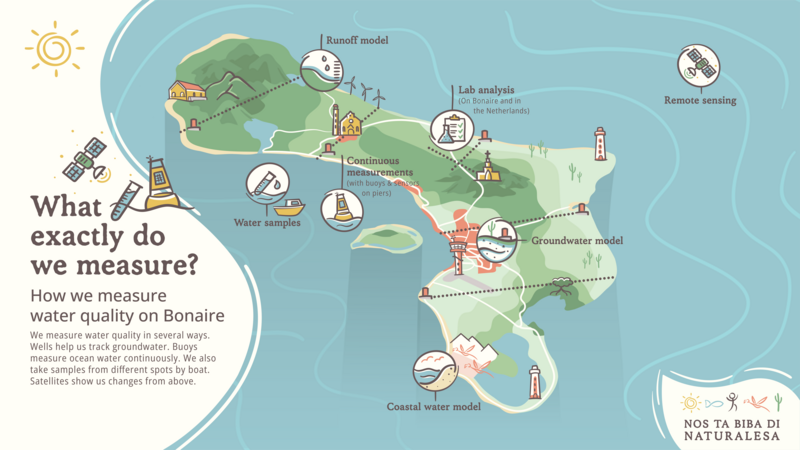
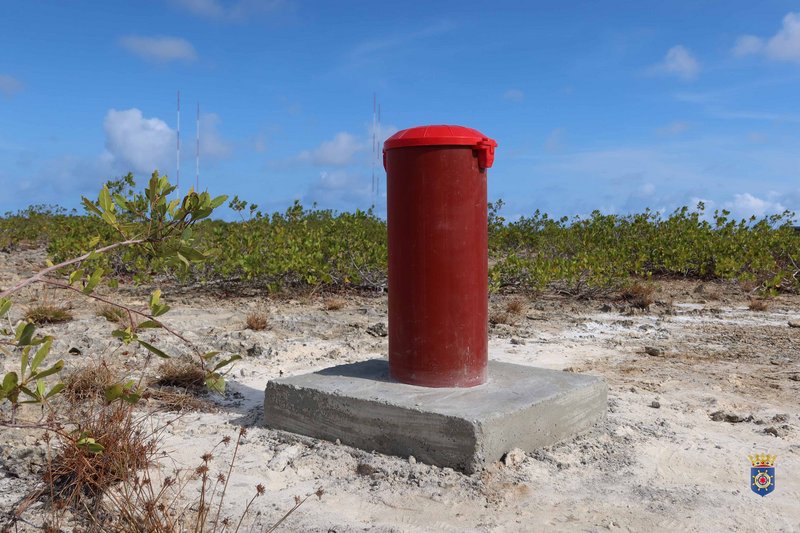
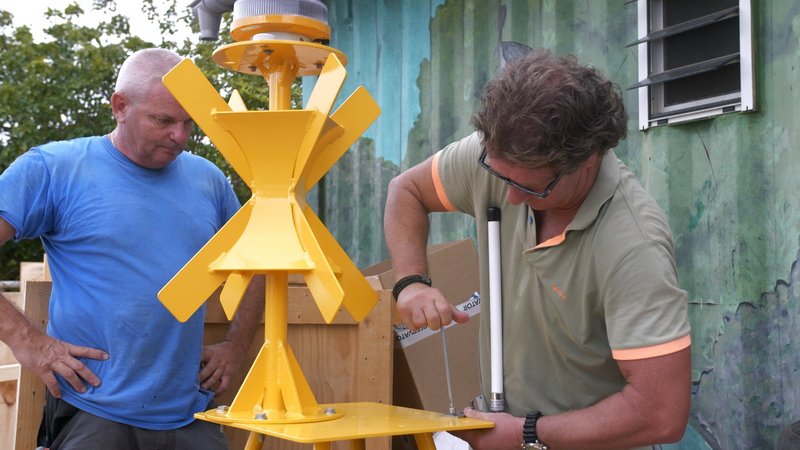
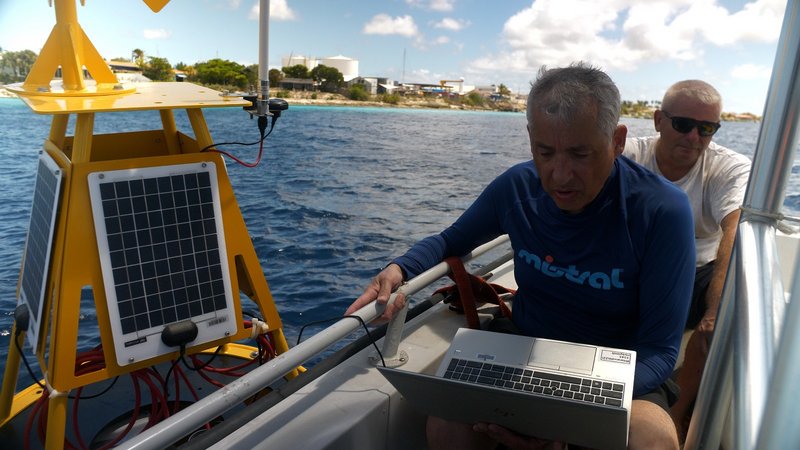
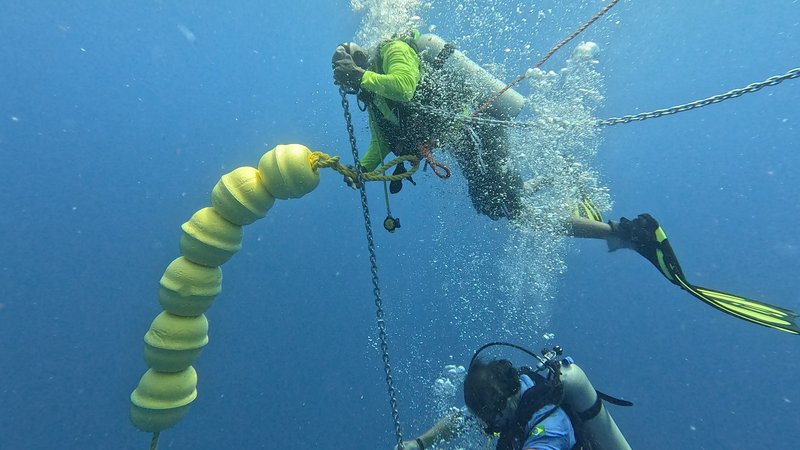
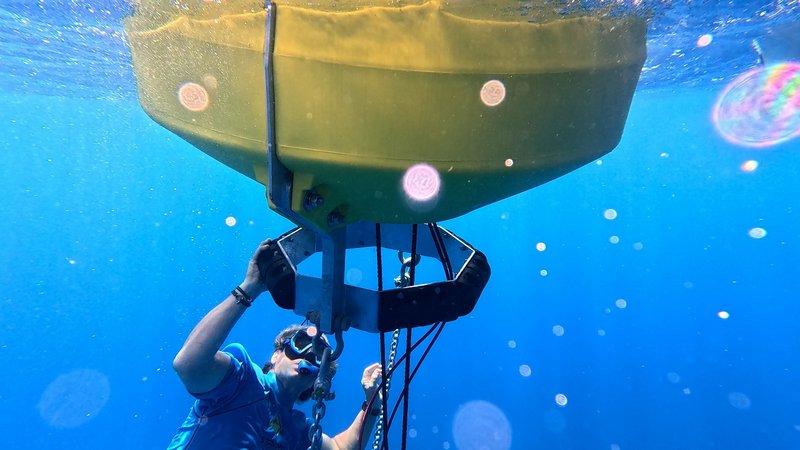
To better understand that story, Bonaire is building a comprehensive water quality monitoring system. Across the island, monitoring wells are being installed to track how groundwater moves and how clean it is. Researchers also collect seawater samples and use advanced monitoring equipment that gathers information day and night.
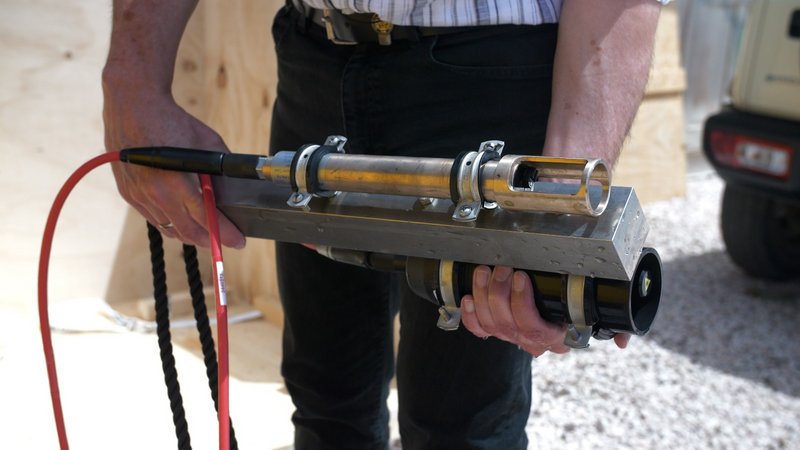
These systems measure water temperature, salinity, oxygen levels, turbidity, and algae growth. Along the coast, offshore, and where land meets sea, they help create a clearer picture of what is happening above and below the surface. Satellite imagery adds another layer of insight by showing changes across larger areas. Every measurement helps reveal what the water has to say.
Why this matters
Clean water is one of the foundations of a healthy island. Bonaire’s coral reefs protect shorelines, support marine life, and attract visitors from around the world. On land, healthy ecosystems also depend on clean and balanced water systems. What happens underground often affects what eventually reaches the coast and the sea.
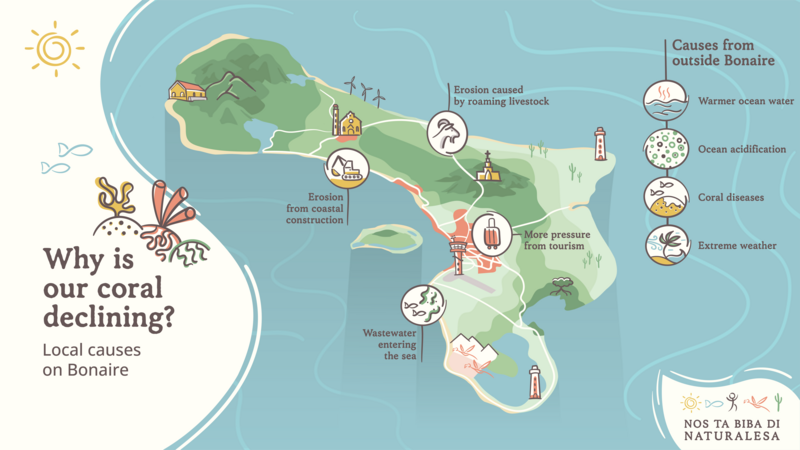
These ecosystems face growing pressure. Rising ocean temperatures and coral diseases are global challenges. Other pressures begin closer to home. Wastewater, excess nutrients, and soil carried away by erosion can move through rainwater and groundwater before reaching coastal waters.
When that happens, water quality can decline. Algae may grow more quickly. Coral reefs can become more vulnerable. Understanding where these pressures come from is the first step toward addressing them.
How does water move across the island? Where are risks emerging? Which actions are making a difference? Reliable data helps answer those questions. By monitoring groundwater and seawater, Bonaire gains a clearer understanding of the health of its coastal waters and reefs. That knowledge helps guide decisions, evaluate solutions, and protect the natural systems that make the island unique.
How it works on Bonaire
This project brings together information from multiple sources. Monitoring wells provide insight into groundwater flow and quality. Water samples reveal which substances are present in coastal waters. Sensors continuously track changing conditions in the sea. Models, remote sensing technology, and satellite imagery help connect individual measurements and identify larger patterns.
Together, these tools help researchers understand what is happening today and how conditions change over time. They can track shifts in water quality, changes in coastal water clarity, and natural events such as sargassum blooms. Small pieces of information become part of a much larger picture. Thousands of measurements come together to tell one connected story.
“Water often moves beyond what we can see. These measurements help us better understand what is happening and what steps are needed to protect our water quality,” says Maarten Heijnen, Policy Officer for Oceans and Research at the Ministry of Infrastructure and Water Management.
What this project delivers
Every measurement creates a stronger foundation for future decisions. The data shows where water quality is healthy, where risks are emerging, and whether actions are having the intended effect. This helps identify which investments contribute to healthier coastal waters and stronger coral reefs.
Over time, the monitoring program also reveals long-term trends. It shows how water quality changes from year to year and helps Bonaire make informed decisions for nature on land, coastal ecosystems, and marine habitats.
The findings support nature management, water management, agriculture, and the protection of the Bonaire National Marine Park. They also help policymakers make decisions based on evidence instead of assumptions. The longer the island measures, the more valuable the knowledge becomes. Trends become clearer. Solutions can be evaluated. Changes can be detected earlier. That growing knowledge base helps protect Bonaire’s nature today and supports a healthier future for generations to come.
Dive Deeper Into This Project


All sources in one place
What We Measure, Track and Learn



Meet the people making it happen